
Metals
Steel, stainless steel, aluminum, titanium, copper and brass
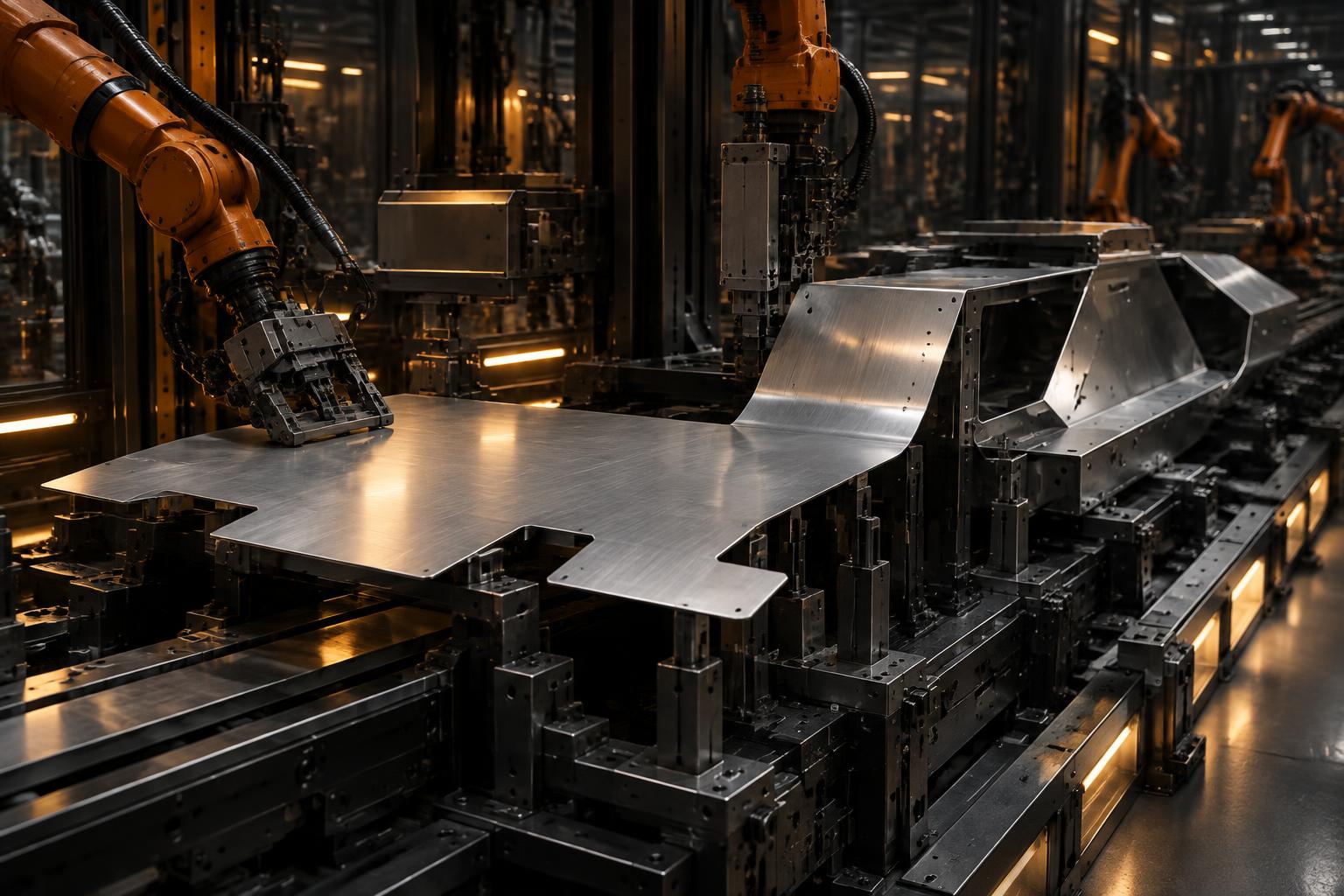
Program geometry into sheet material and turn flat stock into complex products, deployable systems and adaptive structures.
A new paradigm in how we manufacture the future.
Foldstruct turns flat material into high-performance structures with fewer parts, less tooling, faster manufacturing and radically better logistics.
For more than a century, complex products have depended on complex tooling, multiple parts and mechanical assemblies.
Foldstruct introduces a different way to make things. A three-dimensional form is translated into an engineered folding pattern, then manufactured directly from sheet material.
And when needed, the structure becomes the mechanism.
Steel, stainless steel, aluminum, titanium, copper and brass
Fiber-reinforced sheets, sandwich panels and hybrid laminates
Thermoplastic sheet, technical films and flexible membranes
Paperboard, fiberboard and engineered cellulose sheets
Use cases
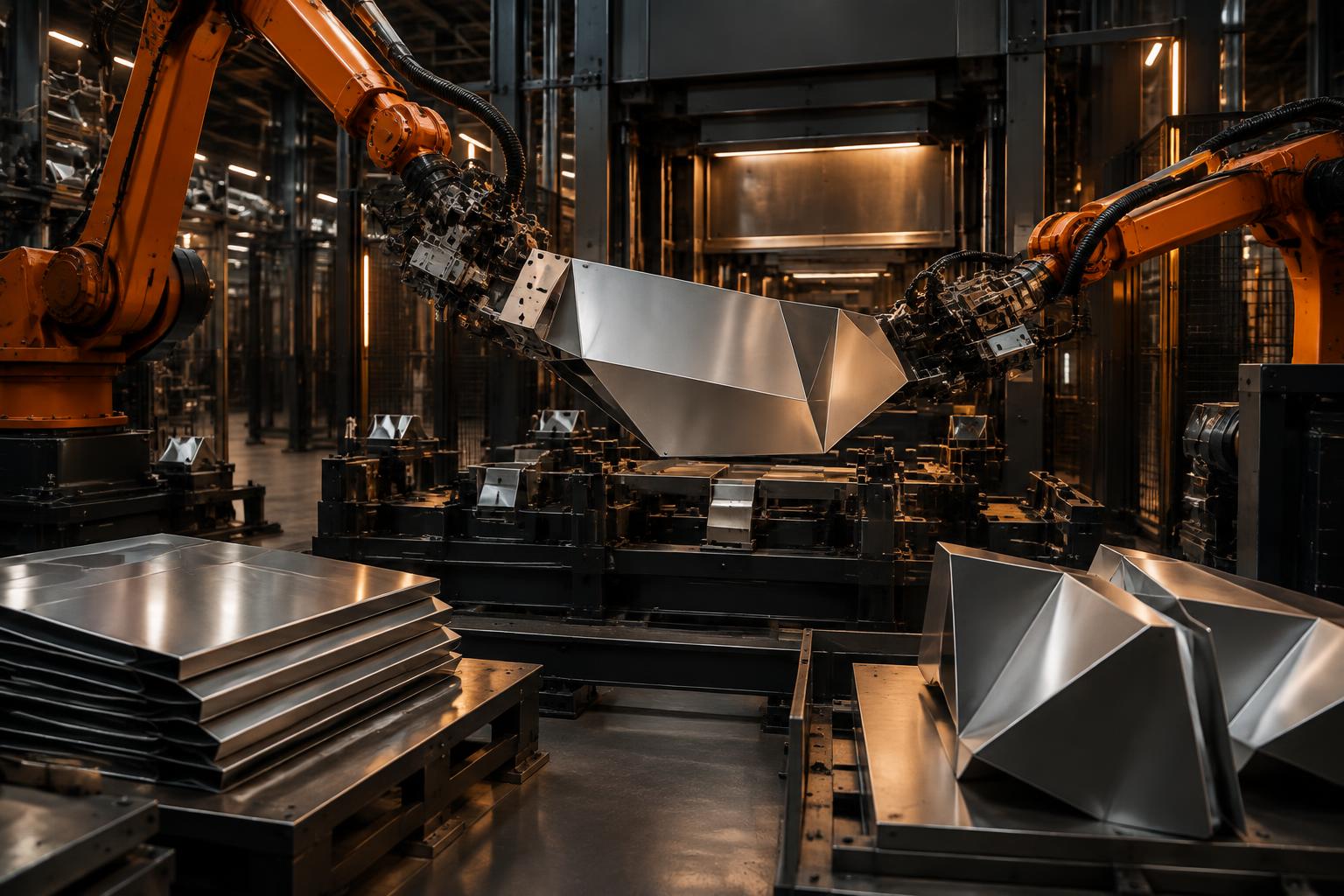
Traditional forming depends on expensive, part-specific dies, molds, jigs and fixtures. Foldstruct replaces much of that fixed investment with a flexible, geometry-driven manufacturing process.
Reduce dependence on molds, dies and part-specific forming equipment.
Make complex geometry viable before reaching mass-production volumes.
Modify the digital geometry instead of rebuilding tooling.
Produce tens or hundreds of sophisticated parts economically.
Manufacture different geometries on the same production infrastructure.
Move faster from engineering concept to physical product.
Change the design. Not the tooling.
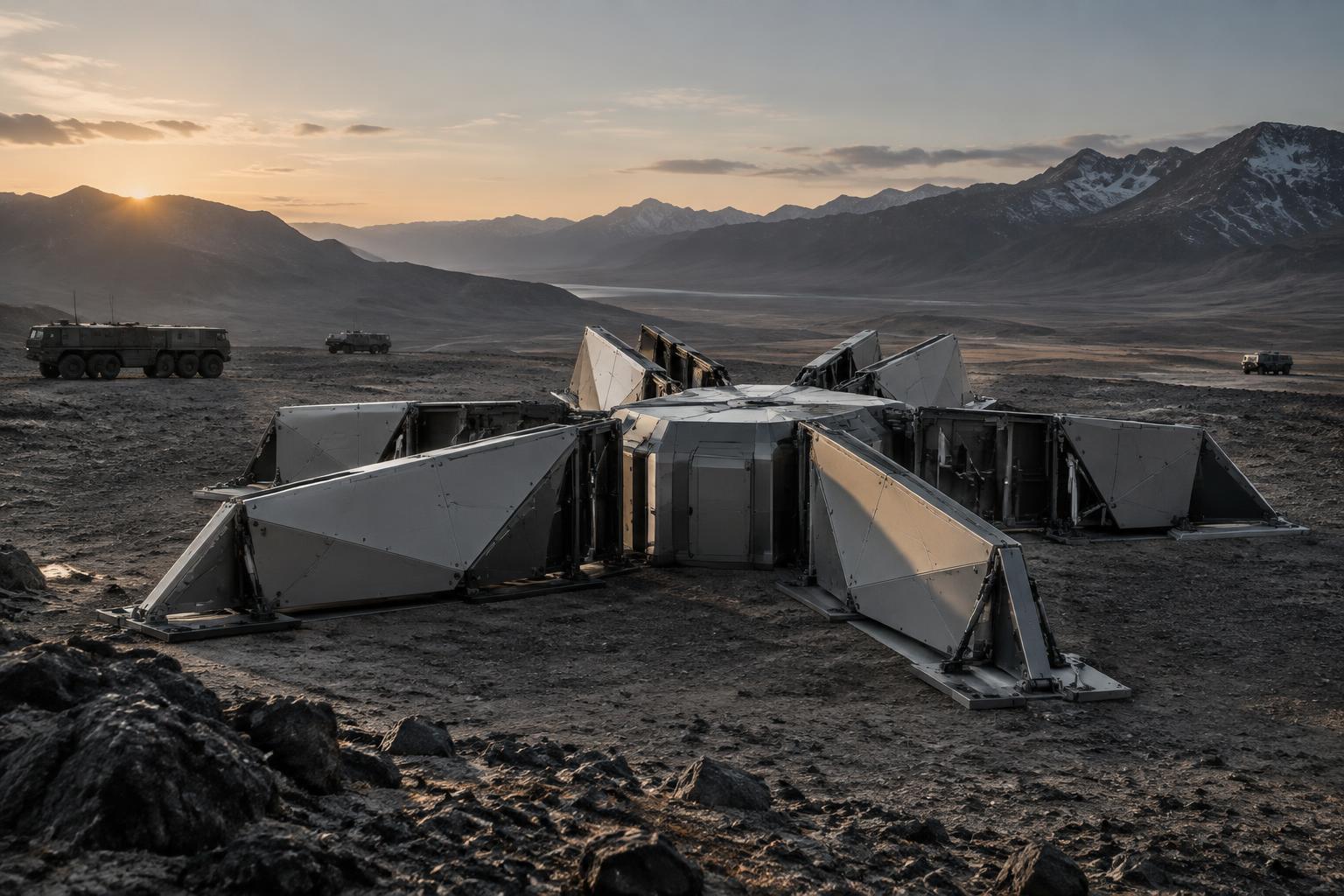
A structure can be manufactured and transported in a compact state, then deployed into its full working geometry only when and where it is needed.
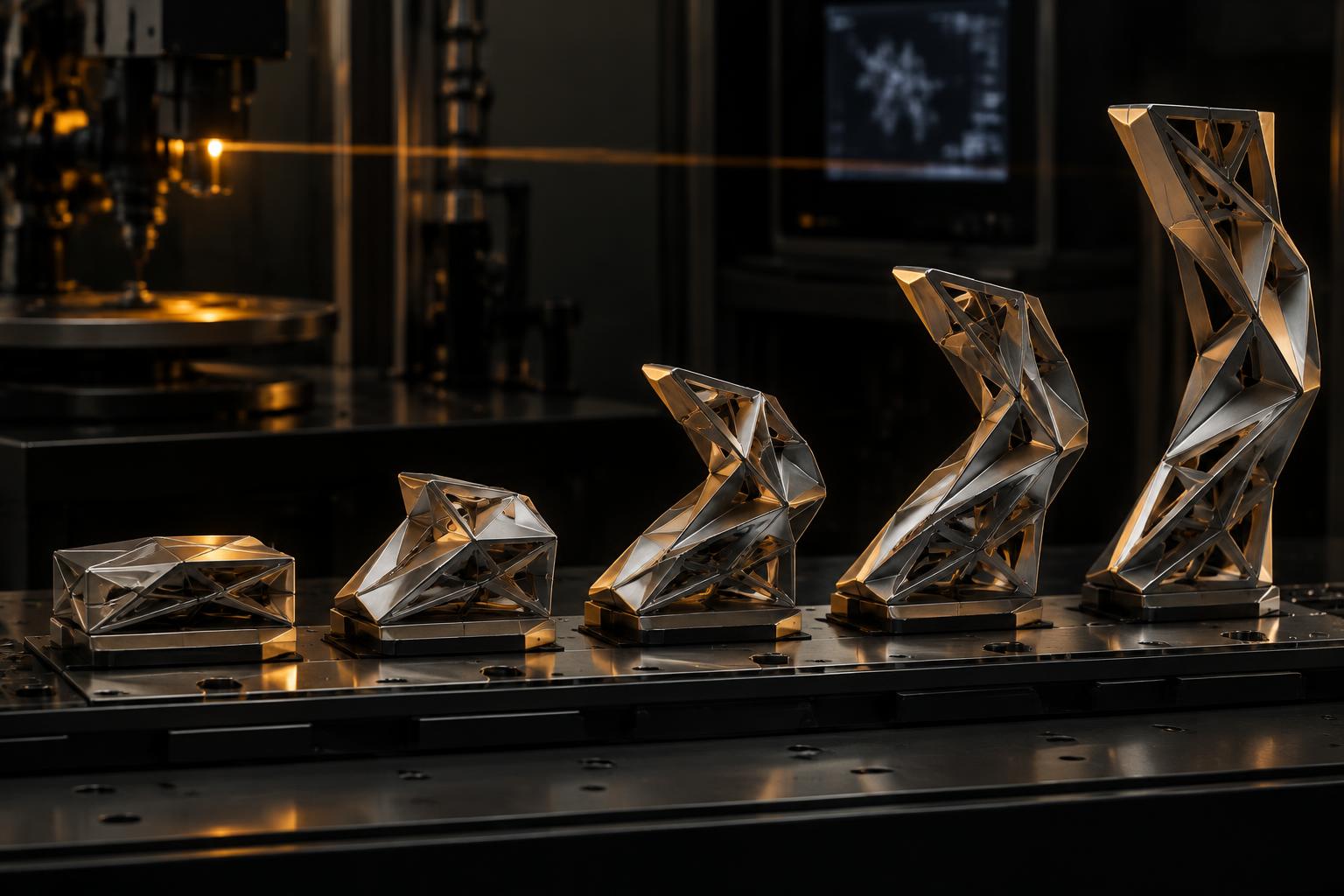
Controlled deformation programs motion directly into geometry and material. Structures can fold, expand, open, close and continuously reconfigure without conventional articulated mechanisms.
Reduce
The structure becomes the mechanism.
Compact during transportation or storage, then unfolded into a stable operational form.
Structures that sense conditions and continue changing geometry during operation.
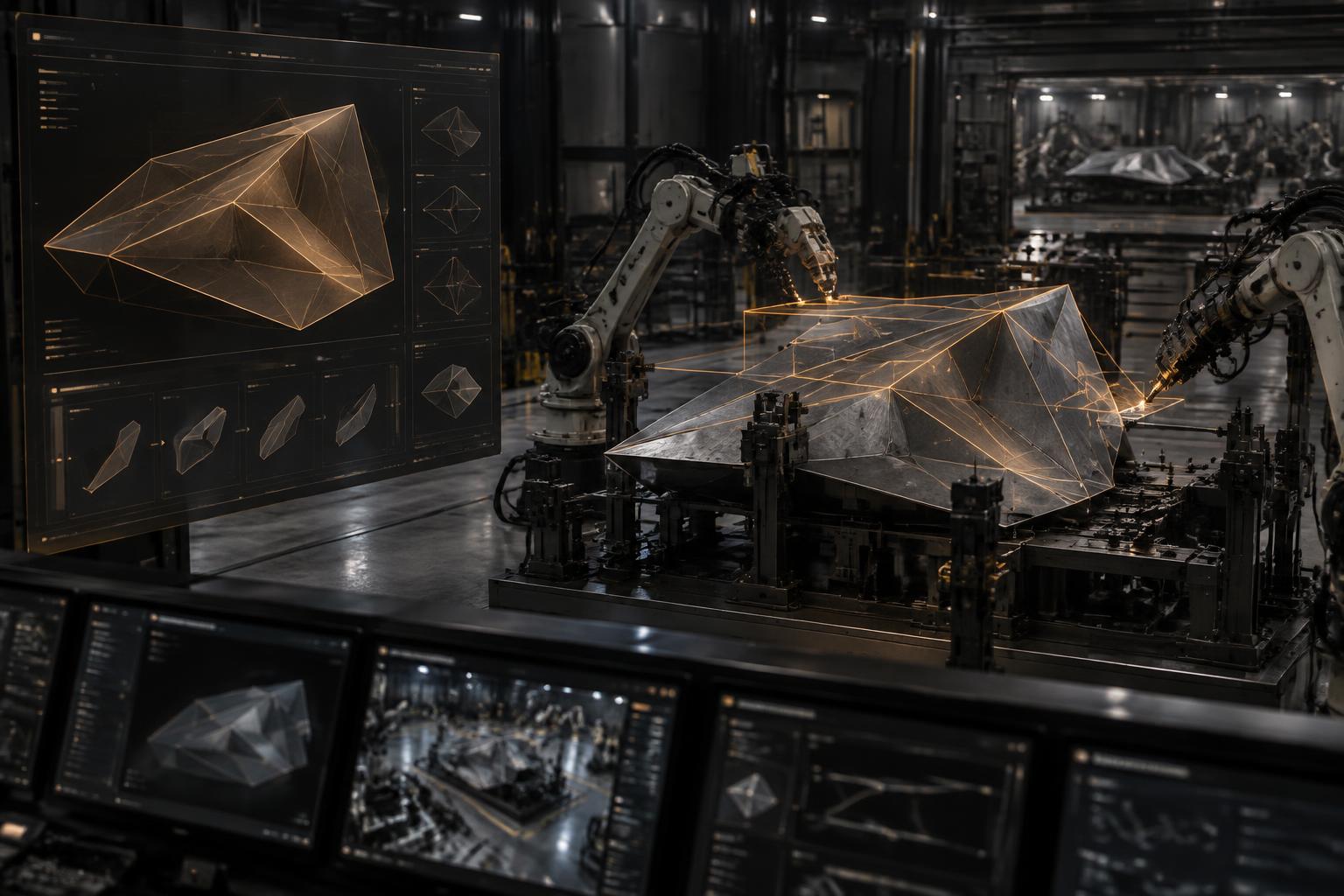
The digital environment where structural intent becomes manufacturable geometry. Foldstruct OS connects design rules, material behavior and robotic production in one continuous workflow.
Design constraints enter once. Geometry, process planning and machine instructions remain connected as the product evolves.
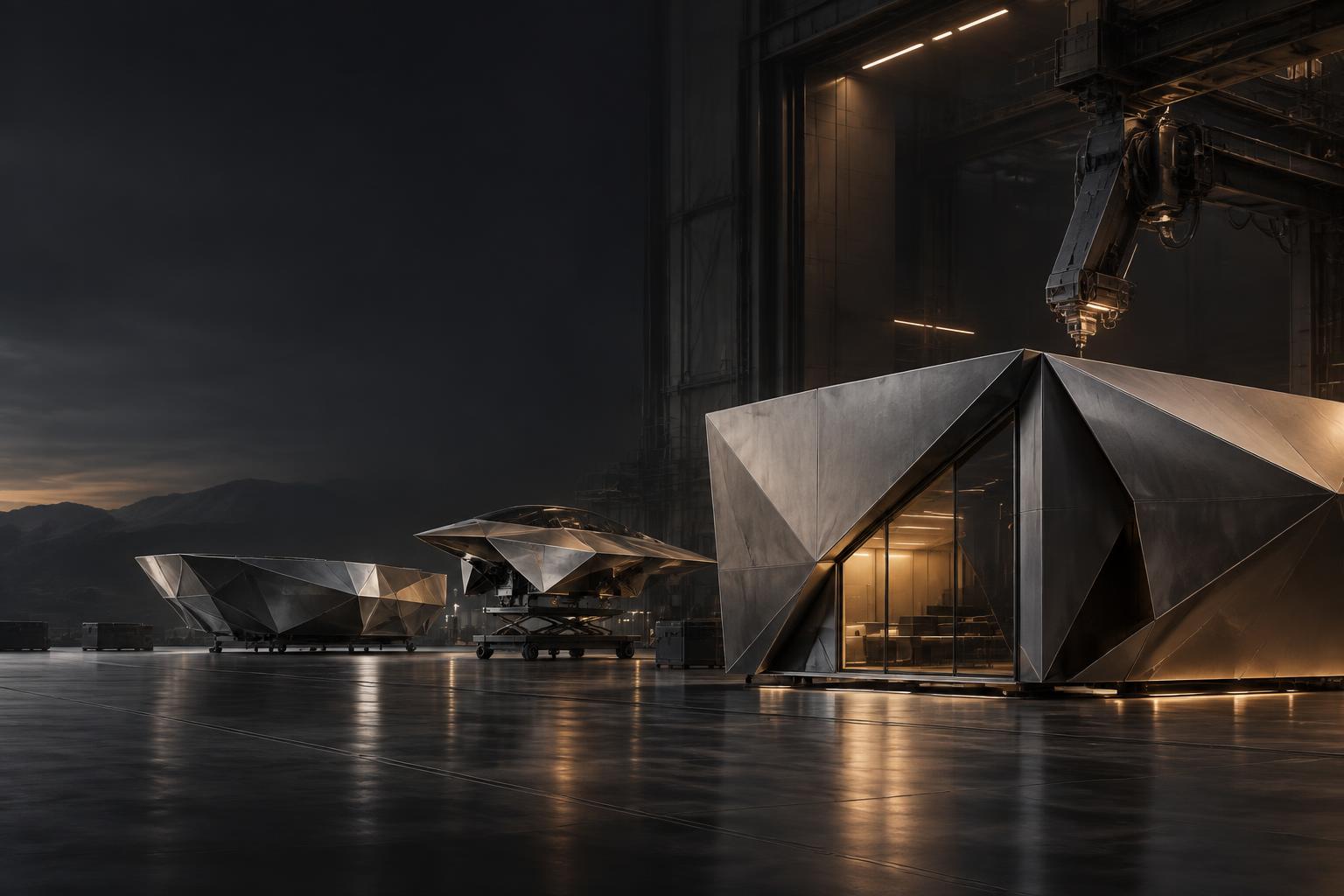
Across defense, construction, aerospace, marine and engineering, Foldstruct makes complex products with fewer manufacturing constraints.
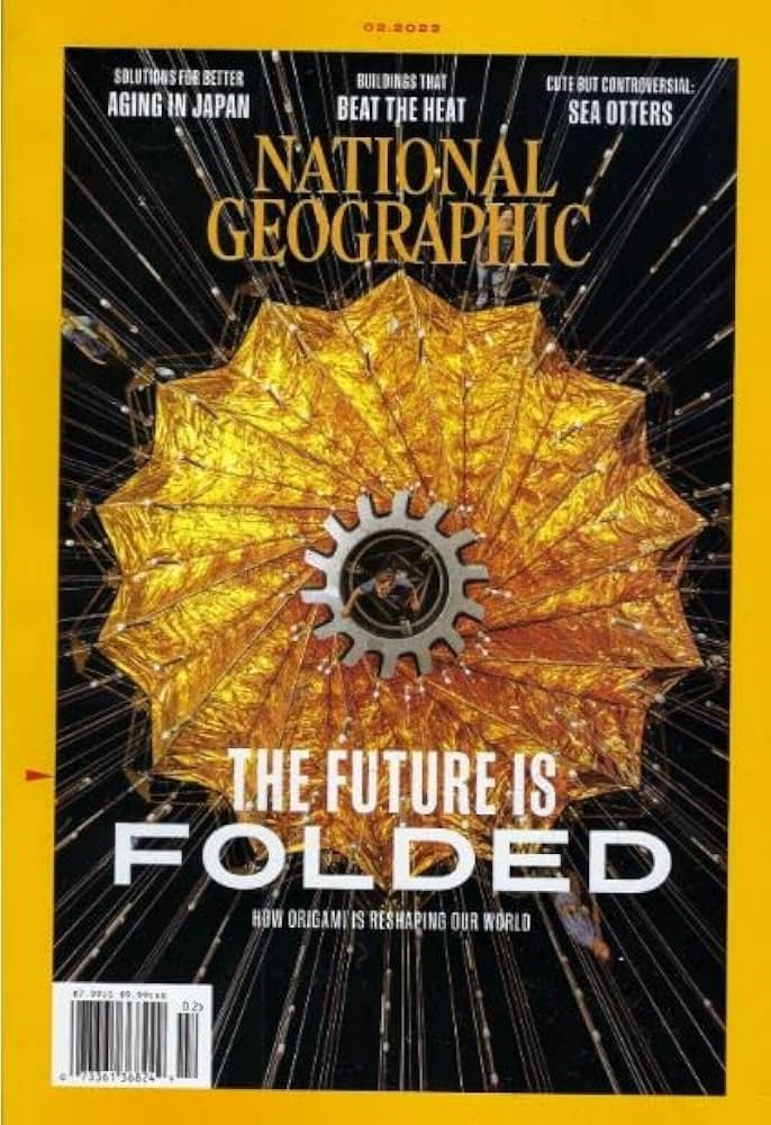
Fold logic translates compact material into useful structure, from microscopic mechanisms to architecture. Foldstruct turns that principle into a manufacturing system.